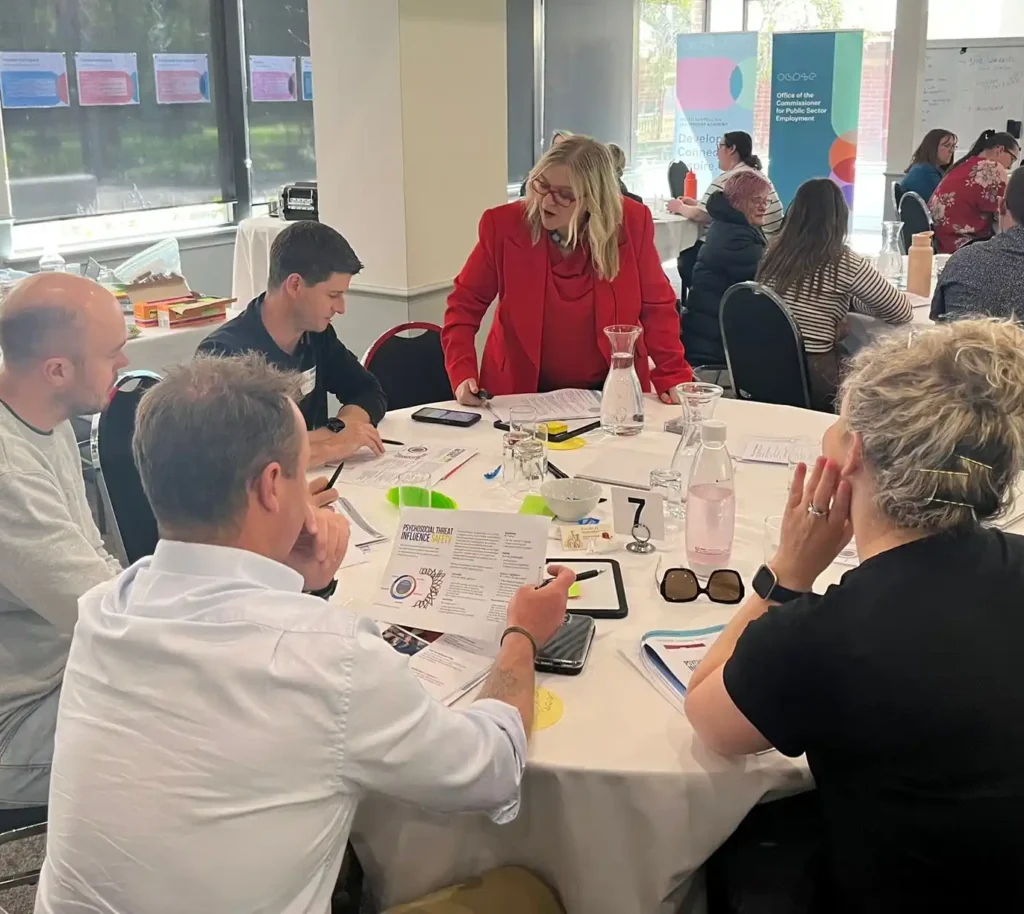
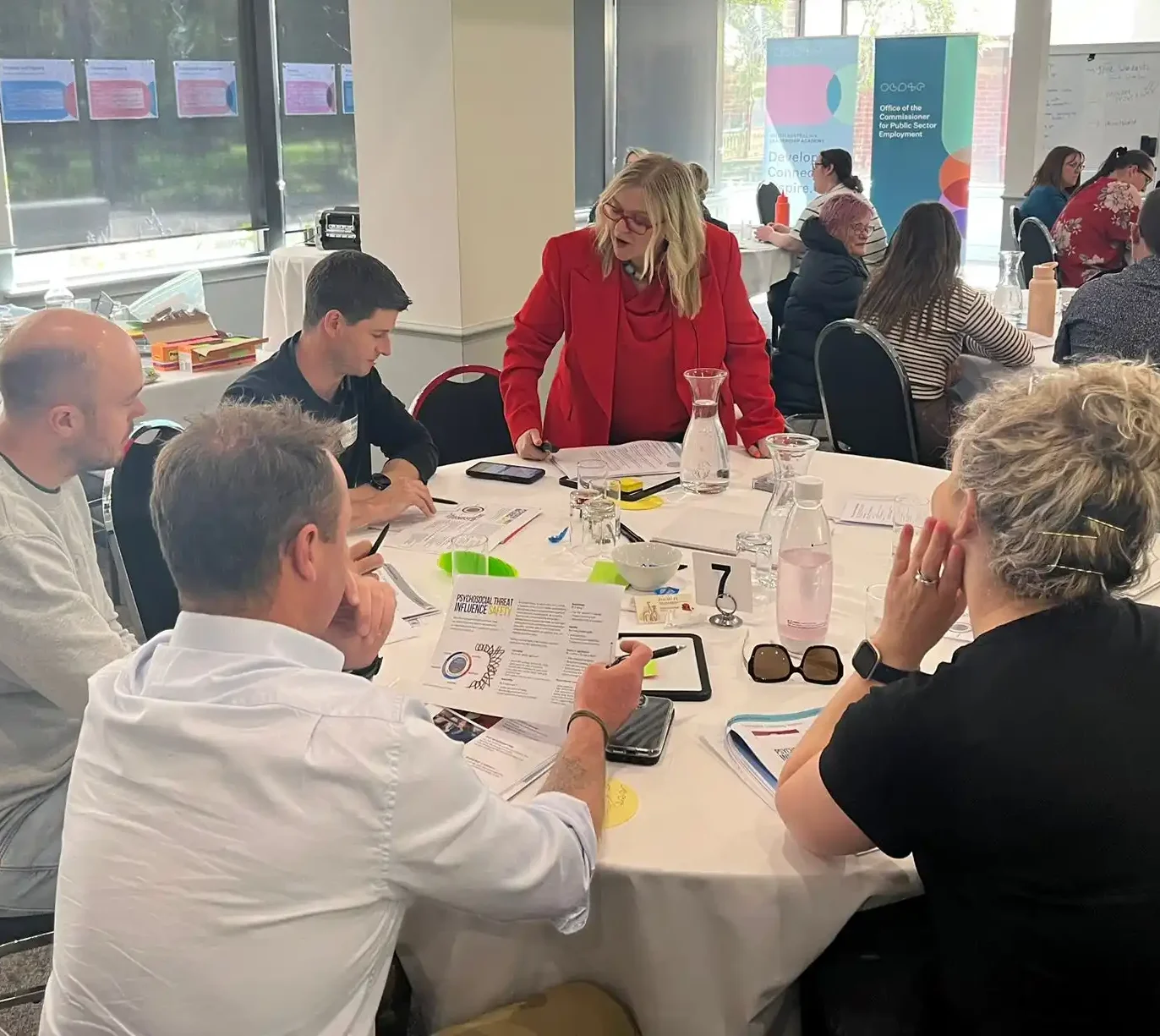
The emotional tone of a team can shift the moment a leader walks into the room.
Anyone can have a bad day. A colleague might be a little distracted, slightly irritable or quieter than usual and most people barely register it.
When it is the leader, everyone notices.
Leaders carry influence whether they intend to or not. A raised eyebrow, a dismissive comment or a sigh of frustration can travel further than expected. People take their cue from it. The mood in the room adjusts. Energy lifts or drops.
The ripple spreads quickly.
This becomes particularly important when organisations are introducing change.
Teams watch their leader closely in those moments. If a leader rolls their eyes, questions the timing or speaks about the change as inconvenient or unrealistic, the team often adopts that same posture. Even if the change must still go ahead, the emotional starting point has already been set.
Something else begins to happen as well.
The first interpretation people hear tends to carry unusual weight. Behavioural scientists describe this as anchoring bias. The first perspective offered in a situation often becomes the reference point that shapes how others understand what follows.
If the first signal from a leader is scepticism or irritation, that reaction quietly anchors the conversation.
A different tone can produce a very different outcome.
When leaders acknowledge that change may feel challenging, but bring people together to explain the context and purpose behind the decision, the atmosphere shifts. The work ahead may still be complex, yet the team begins from a place of understanding rather than resistance.
Research from Gallup highlights the qualities people look for in those they follow. Across cultures and industries four themes consistently appear: trust, compassion, hope and stability.
Stability does not mean pretending everything is easy. It is created when leaders remain steady in their behaviour and thoughtful in the way they communicate decisions, even when circumstances are uncertain.
Teams pay attention to those signals.
They notice whether a leader models the behaviour expected of others. They notice whether frustration becomes the dominant tone or whether perspective holds the room steady.
Leadership influence often works quietly in this way. It spreads through everyday reactions and conversations long before a formal message is delivered.
Which means the emotional climate of a team rarely appears by accident.
More often it begins with the person who walks into the room first.